How to create a diet on your own, step by step
Find out how to plan your own diet. Learn the principles of menu planning, calorie calculation, and healthy meal planning.
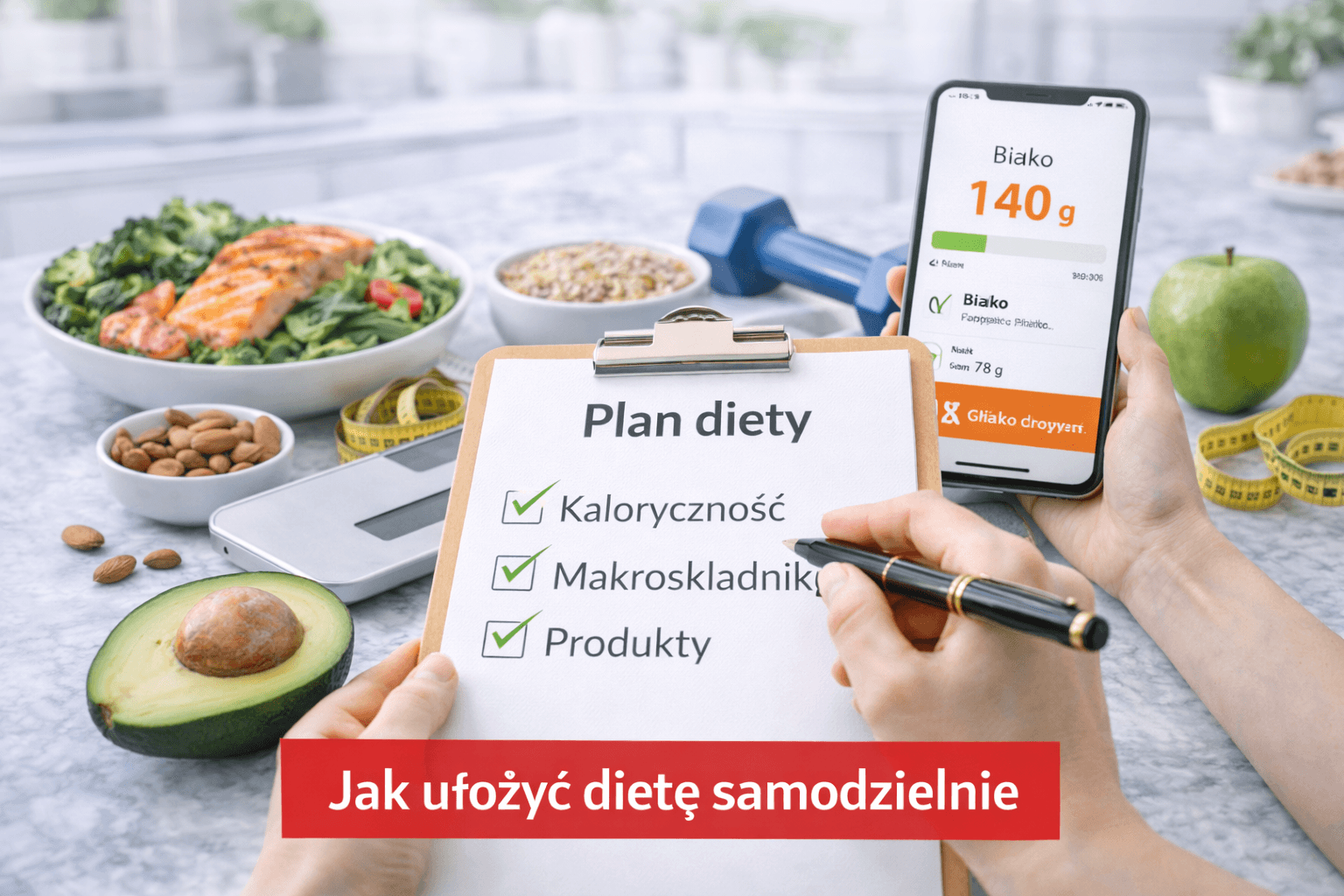
More and more people want to consciously take care of their health and nutrition. One of the most frequently asked questions is how to create a diet on your own that is healthy, effective, and tailored to your lifestyle.
Planning a diet on your own is possible, but it requires basic knowledge of calorie needs, macronutrients, and meal planning principles. Many people make mistakes right from the start – for example, by following overly restrictive diets or eliminating entire food groups.
In this article, we'll show you how to create a diet on your own, step by step, what to pay attention to when planning a menu, and how to avoid common mistakes.
Can you create a diet on your own?
Creating a diet on your own is possible, especially if your goal is to improve your eating habits or lose weight.
However, it's important to remember that a diet should be:
balanced
adapted to your energy needs
adapted to your lifestyle
diverse
For chronic illnesses such as diabetes or thyroid disease, it's worth consulting a dietitian before planning your diet.
Defining Your Diet Goal
The first step is to define the goal of your diet.
The most common goals are:
weight loss
weight maintenance
muscle building
health improvement
The goal of your diet influences the caloric content of your diet and the proportions of macronutrients.
How to calculate your calorie needs
For your diet to be effective, you must determine your body's calorie needs.
Requirements depend on:
age
gender
height
weight
physical activity level
After calculating your calorie needs, you can determine the calorie content of your diet.
Calorie Diet Depending on Your Goal
Weight Maintenance – Calories Equal to Your Required Calories
Weight Loss – Approximately 300–500 kcal Less
Muscle Building – Approximately 200–400 kcal More
Macronutrients in Your Diet
Every diet should contain three basic macronutrients:
Protein
Fat
Carbohydrates
Protein
Protein is responsible for tissue regeneration and muscle building.
The best protein sources are:
Meat
Fish
Eggs
Dairy
Legumes
Carbohydrates
Carbohydrates are the body's main source of energy.
It's best to choose products such as:
Groats
Rice
Whole-grain bread
Oatmeal
Vegetables and fruits
Fats
Fats are important for hormonal health and vitamin absorption.
Healthy sources of fat include:
olive oil
nuts
seeds
avocados
oily fish
How to plan meals
A good meal should contain all the basic nutrients.
The simplest way to plan a meal is to divide your plate:
half your plate – vegetables
one-quarter – protein
one-quarter – carbohydrates
You can add a small amount of healthy fats to your meal.
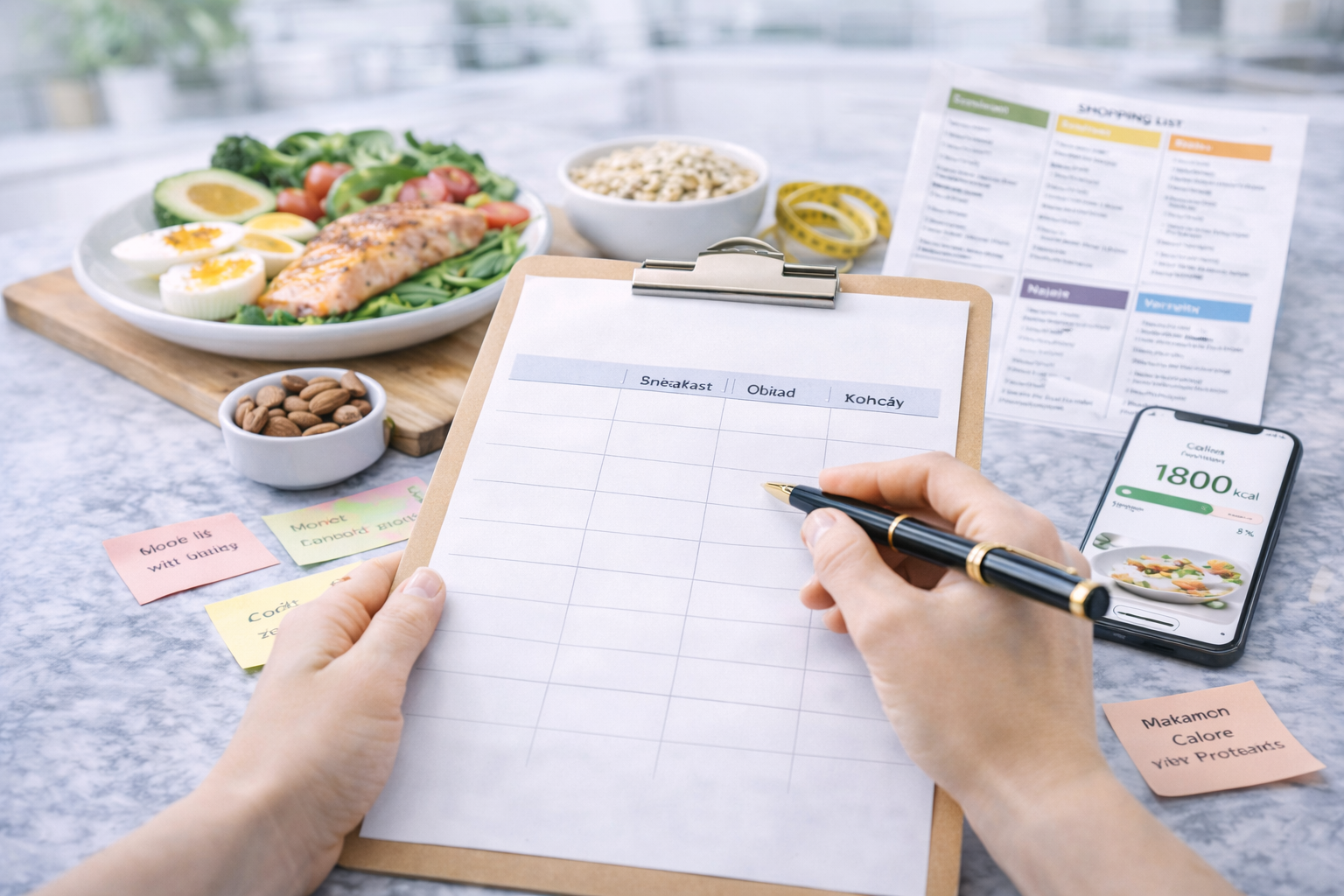
Planning a menu for several days
Planning meals for several days makes it easier to maintain a healthy diet.
Benefits of menu planning:
easier calorie control
fewer impulsive food decisions
saves time
reduced food waste
A good solution is to prepare a menu for 3–7 days.
How to shop healthily
The diet starts at the store.
When shopping, it's worth choosing products that are:
minimally processed
nutrient-rich
fresh
List of staple foods in a healthy diet:
vegetables and fruits
whole grains
protein sources
healthy fats
Planning your shopping helps you avoid unhealthy choices.
Common Mistakes
Many people make similar mistakes when planning their own diet.
The most common are:
too low a calorie diet
lack of variety
skipping meals
too little protein
eliminating entire food groups
lack of meal planning
Avoiding these mistakes allows you to create a more balanced diet.
Summary
Planning your own diet is possible if you know the basic principles of nutrition.
The most important steps are:
Determining your diet goal
Calculating your calorie needs
Appropriate macronutrient ratios
Composing balanced meals
Planning your menu and shopping
Using these principles, you can create a healthy diet tailored to your needs and lifestyle.
Frequently asked questions
Czy można samodzielnie ułożyć dietę?
Tak, jednak wymaga to podstawowej wiedzy o zapotrzebowaniu kalorycznym i zasadach zdrowego odżywiania.
Ile posiłków dziennie powinno się jeść?
Najczęściej zaleca się 3–5 posiłków dziennie, jednak liczba posiłków powinna być dopasowana do stylu życia.
Czy trzeba liczyć kalorie?
Nie zawsze, ale liczenie kalorii może pomóc w kontrolowaniu diety.
Jak długo stosować dietę redukcyjną?
Czas diety zależy od celu i tempa redukcji masy ciała.
Czy dieta musi być bardzo restrykcyjna?
Nie. Najlepsze efekty przynosi dieta zbilansowana i możliwa do utrzymania na dłuższą metę.
Zespół e-dietetyk.com
We are a team of dietitians and AI specialists. We create personalised nutrition plans based on science and modern technology.
More about the author →Want a diet tailored to your lifestyle?
Fill out a short assessment and receive your personalised meal plan today.