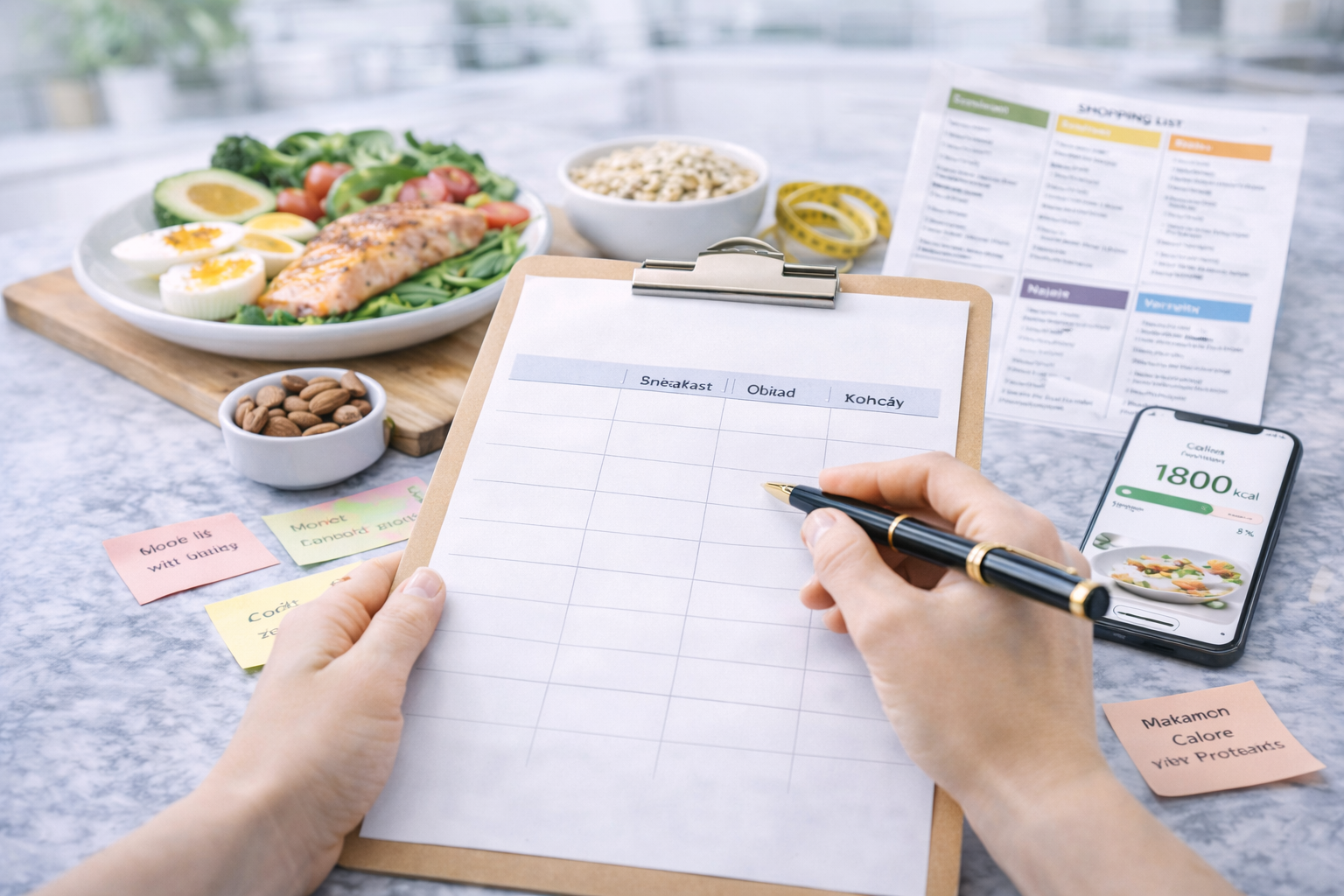
Diet for reducing body fat – rules
Learn the principles of a fat loss diet. Learn how to determine calories, macronutrients, and habits that help you effectively burn fat.
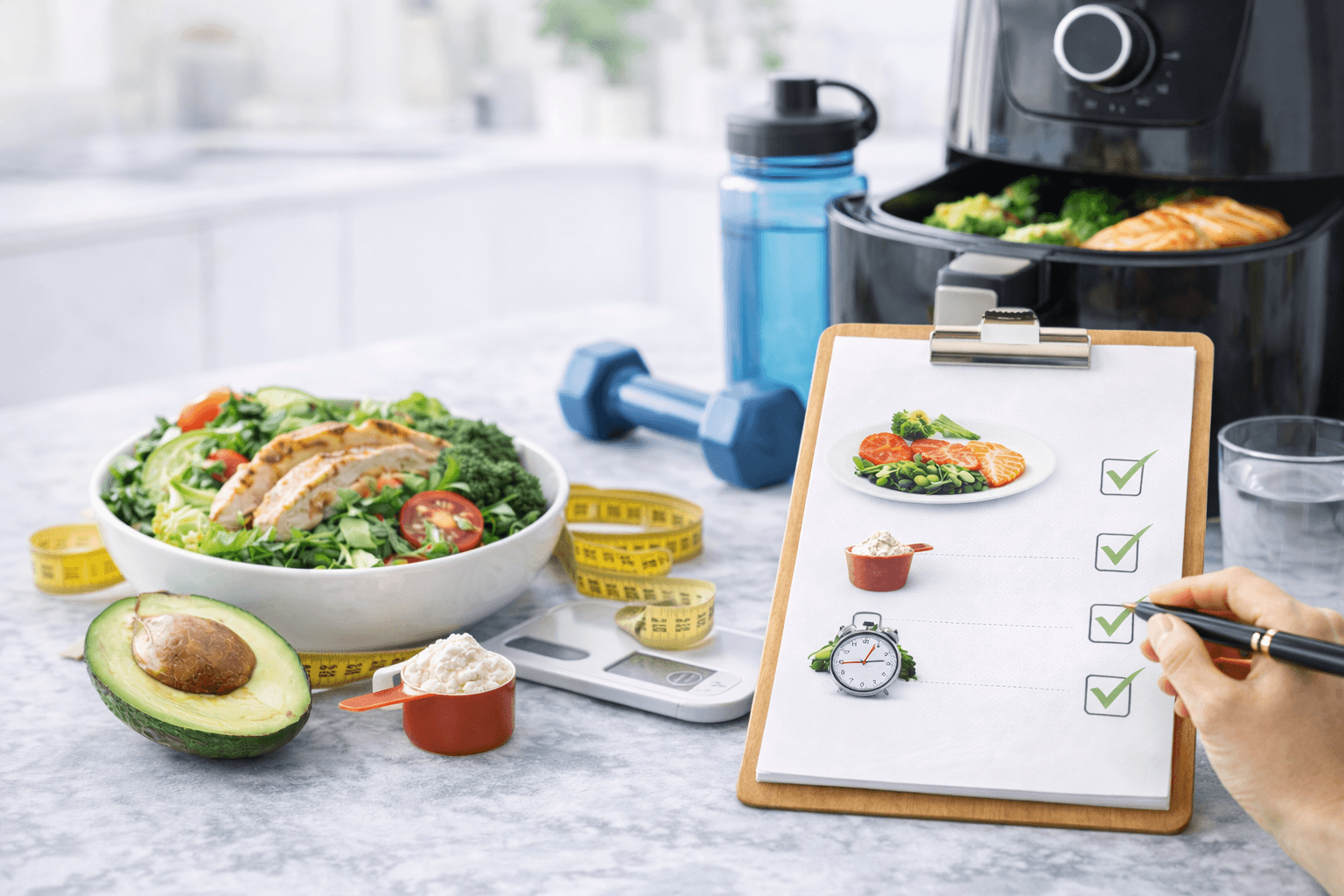
Fat loss is one of the most common goals for those concerned about their health and figure. Many associate it solely with calorie restriction, but an effective fat loss diet requires a more comprehensive approach.
Not only the amount of calories consumed is crucial, but also the quality of the food, the appropriate macronutrient ratio, and lifestyle. A well-planned diet allows you to reduce body fat without losing muscle mass or the yo-yo effect.
In this article, you'll learn what a fat loss diet should look like, its key principles, and what mistakes to avoid.
What is fat loss?
Fat loss involves reducing the amount of fat in the body while maintaining muscle mass.
Unlike short-term weight loss diets, fat loss focuses on improving body composition.
This process involves:
creating a calorie deficit
maintaining an adequate protein intake
regular physical activity
developing healthy eating habits
This allows for gradual and healthy fat burning.
Basic Principles of a Fat-Reducing Diet
A diet for fat loss should be well-balanced and provide all the necessary nutrients.
The most important principles are:
moderate calorie deficit
adequate protein
consumption of foods with high nutritional value
regular meals
adequate hydration
physical activity
It's important to remember that fat loss is a long-term process that requires patience and consistency.
Calorie Deficit – The Foundation of Weight Loss
The most important element of any weight-loss diet is a calorie deficit.
This means consuming fewer calories than the body's daily energy requirements.
The most commonly recommended deficit is:
300–500 kcal per day
This level allows for healthy weight loss at a rate of approximately:
0.5–1 kg per week
A deficit that is too large can lead to:
loss of muscle mass
slow metabolism
hormonal problems
yo-yo effect
Therefore, a weight-loss diet should be tailored to individual needs.
Macronutrients in a Weight-Loss Diet
The appropriate proportions of macronutrients are crucial for effective fat reduction.
Protein
Protein plays a very important role during weight loss.
It helps:
maintain muscle mass
increase satiety
support body regeneration
Good sources of protein include:
lean meat
fish
eggs
dairy
tofu
legumes
Carbohydrates
Carbohydrates are the body's main source of energy.
When cutting, it's best to choose:
whole grains
cereals
brown rice
vegetables
fruits
Avoiding carbohydrates is not necessary, but it's worth limiting highly processed foods.
Fats
Healthy fats are essential for the proper functioning of the body.
The best sources of fats are:
olive oil
nuts
seeds
avocados
oily fish
Fats support hormonal balance and help maintain a feeling of fullness.
How to plan meals during a weight loss plan
Properly planning meals helps maintain stable energy levels and control appetite.
A good weight loss meal should include:
a source of protein
complex carbohydrates
healthy fats
vegetables
Example of a weight loss meal
grilled chicken breast
buckwheat
vegetable salad
olive oil
This meal provides all the macronutrients and ensures a long-lasting feeling of fullness.
The Importance of Physical Activity
Physical activity significantly supports the fat loss process.
Regular exercise helps:
increase energy expenditure
maintain muscle mass
improve metabolism
improve well-being
The Best Forms of Activity
When losing weight, it's worth combining:
strength training
cardio training
daily physical activity
Combining these elements allows for the best results.
Hydration and Recovery
Proper hydration is an important element of a weight loss diet.
Water supports:
metabolism
digestion
nutrient transport
It is recommended to consume approximately:
1.5–2.5 liters of water daily
Sleep and recovery are equally important, as they affect hormonal balance and appetite control.
Common Mistakes
Many people make mistakes when losing fat that hinder results.
The most common of these are:
excessively large calorie deficit
skipping meals
insufficient protein in the diet
lack of physical activity
unrealistic expectations
following restrictive diets
Avoiding these mistakes significantly increases the chances of successful weight loss.
Summary
A diet for fat loss should be well-balanced and tailored to individual needs.
The most important principles are:
moderate calorie deficit
adequate protein
consume foods with high nutritional value
Frequently asked questions
Ile kalorii powinno się jeść na redukcji?
Najczęściej zaleca się deficyt około 300–500 kcal dziennie w stosunku do zapotrzebowania kalorycznego.
Czy można schudnąć bez ćwiczeń?
Tak, jednak aktywność fizyczna pomaga szybciej spalać tkankę tłuszczową i utrzymać masę mięśniową.
Ile czasu trwa redukcja tkanki tłuszczowej?
Czas redukcji zależy od ilości tkanki tłuszczowej i indywidualnego tempa metabolizmu.
Czy trzeba całkowicie zrezygnować ze słodyczy?
Nie. W umiarkowanych ilościach mogą być częścią zbilansowanej diety.
Czy dieta niskowęglowodanowa jest konieczna do redukcji?
Nie. Najważniejszy jest deficyt kaloryczny oraz jakość spożywanych produktów.
Zespół e-dietetyk.com
We are a team of dietitians and AI specialists. We create personalised nutrition plans based on science and modern technology.
More about the author →Want a diet tailored to your lifestyle?
Fill out a short assessment and receive your personalised meal plan today.