How to lose weight without counting calories?
Can you lose weight without counting calories? Check out effective weight loss strategies that help you lose weight without obsessively counting calories.
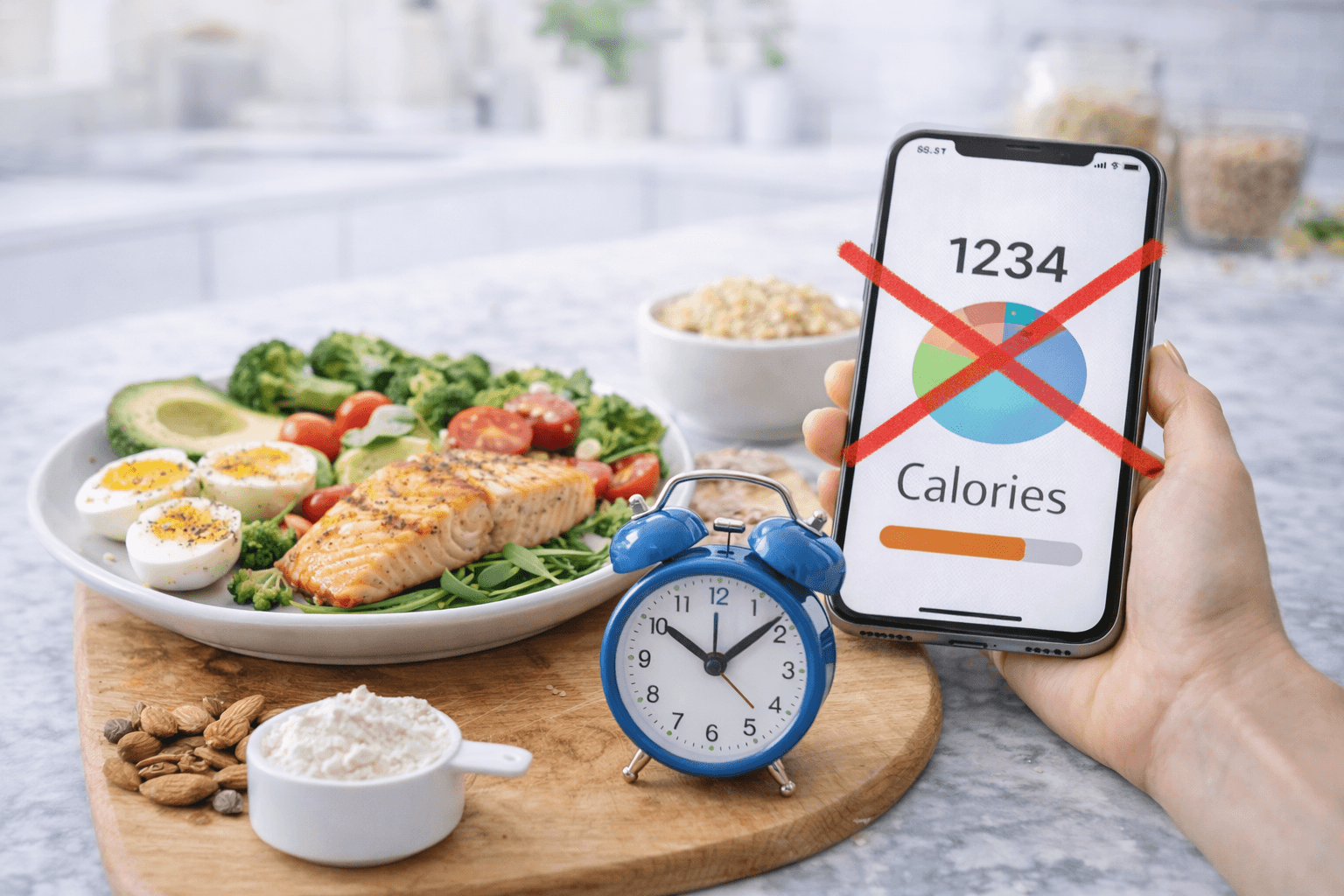
Calorie counting is one of the most frequently recommended weight management methods. However, for many people, it can be tiring, time-consuming, and difficult to maintain long-term. It's no wonder, then, that more and more people are wondering how to lose weight without counting calories.
The good news is that weight loss is possible without daily weighing and entering food into an app. The key is to establish healthy eating habits and understand basic nutrition principles.
In this article, you'll learn how to lose weight without counting calories, what strategies help control your energy intake, and how to build healthy eating habits.
Can you lose weight without counting calories?
Yes, losing weight without counting calories is possible. In practice, many people achieve very good results by changing their eating habits and lifestyle.
While calorie counting helps control their diet, it's not the only method of weight loss.
The key is to:
Eat fewer calories than your body needs
Choose foods with high nutritional value
Increase physical activity
Implementing the right habits can naturally lead to a reduction in energy intake.
Why a Calorie Deficit Is Key
Regardless of the weight loss method chosen, the basis for weight loss is a calorie deficit.
This means that the body expends more energy than it receives from food.
This can be achieved by:
changing eating habits
choosing lower-calorie foods
increasing physical activity
Therefore, even without counting calories, you can create an energy deficit.
How to Lose Weight Without Counting Calories – The Most Important Rules
There are a few simple rules that will help you lose weight without having to count calories.
Eat More Unprocessed Foods
Natural foods are usually lower in calories and more filling.
Such foods include:
vegetables
fruits
whole grains
lean meats
fish
legumes
Avoiding highly processed foods helps you naturally reduce calories.
Increase the amount of vegetables in your diet
Vegetables are very low in calories yet high in volume.
As a result, they:
increase the feeling of fullness
help control appetite
provide fiber and vitamins
It's a good idea to make vegetables a large part of every meal.
Eat slowly
Eating in a hurry can lead to eating more food.
The brain needs about 20 minutes to receive the satiety signal.
Eating slowly helps:
improve portion control
feel full faster
avoid overeating
Pay attention to portion sizes
One simple way to control calories is to reduce portion sizes.
You can do this by:
using smaller plates
serving less food
adding vegetables instead of high-calorie additions
Foods that support weight loss
Some foods help control appetite and support weight loss.
The most filling foods are those rich in:
protein
fiber
water
Examples of such foods include:
eggs
plain yogurt
vegetables
fruits
oatmeal
legumes
These foods help keep you feeling full for longer.
The Importance of Protein and Fiber
Protein and fiber are two nutrients that are particularly helpful for weight loss.
Protein
Protein:
increases the feeling of fullness
supports the maintenance of muscle mass
helps control appetite
Therefore, it's important to include a source of protein in every meal.
Fiber
Dietary fiber slows digestion and helps maintain stable blood sugar levels.
Foods high in fiber include:
vegetables
fruits
whole grains
seeds and nuts
The Role of Physical Activity
Physical activity helps increase the body's energy expenditure.
Regular exercise:
supports calorie burning
improves metabolism
helps maintain muscle mass
It doesn't have to be an intense workout.
A good start could be:
walking
cycling
swimming
strength training
Mindful Eating
Mindful eating involves focusing on the food and the body's signals.
This helps you better recognize the feelings of hunger and fullness.
The basic principles of mindful eating are:
eating without distractions
focusing on the taste and smell of food
eating slowly
listening to your body's signals
This approach helps you avoid overeating.
Common Mistakes
Many people make similar mistakes when trying to lose weight without counting calories.
The most common are:
eating large amounts of processed foods
skipping meals
lack of physical activity
snacking between meals
drinking high-calorie beverages
Avoiding these mistakes significantly increases your chances of success.
Summary
Losing weight without counting calories is possible if you adopt the right eating habits.
The most important rules are:
eating natural products
increasing the amount of vegetables and fiber
adequate protein
Frequently asked questions
Czy można schudnąć bez liczenia kalorii?
Tak. Wprowadzenie zdrowych nawyków żywieniowych często prowadzi do naturalnego ograniczenia kalorii.
Czy liczenie kalorii jest konieczne podczas odchudzania?
Nie jest konieczne, ale może pomóc w kontrolowaniu diety.
Jak kontrolować porcje bez liczenia kalorii?
Można korzystać z mniejszych talerzy, zwiększać ilość warzyw i zwracać uwagę na sygnały sytości.
Czy produkty „fit” pomagają schudnąć?
Nie zawsze. Wiele z nich może zawierać dużo kalorii mimo marketingowej nazwy.
Czy aktywność fizyczna jest konieczna do schudnięcia?
Nie jest konieczna, ale znacznie ułatwia redukcję masy ciała i poprawia zdrowie.
Zespół e-dietetyk.com
We are a team of dietitians and AI specialists. We create personalised nutrition plans based on science and modern technology.
More about the author →Want a diet tailored to your lifestyle?
Fill out a short assessment and receive your personalised meal plan today.