
How to lose weight healthily and without the yo-yo effect
Find out how to lose weight healthily and without the yo-yo effect. Learn the principles of effective weight loss, the mistakes that hinder weight loss, and practical tips from a dietitian.
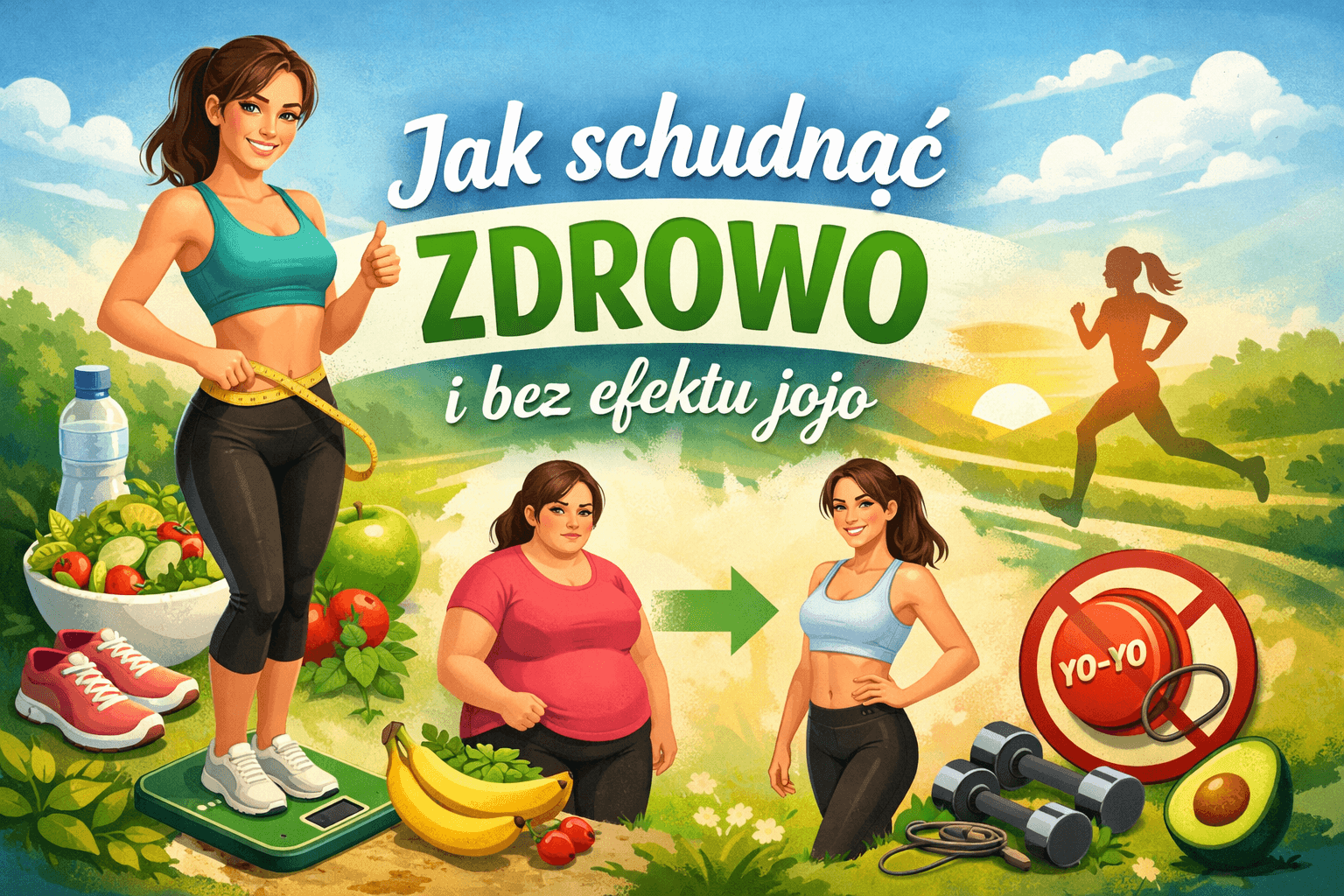
Many people start a weight loss journey with great motivation, but after a few months, they regain the previous weight. This phenomenon is called the yo-yo effect and affects up to 70–80% of people on restrictive diets.
The reason isn't a lack of willpower, but a poorly planned weight loss process. Excessive calorie deficits, eliminating entire food groups, or failing to change eating habits make maintaining results very difficult.
In this article, you'll learn how to lose weight healthily and without the yo-yo effect, what principles are key to lasting weight loss, and what mistakes to avoid.
What is the yo-yo effect and why does it occur?
The yo-yo effect is a rapid return to the previous body weight—often even to an excess—after ending a weight-loss diet.
It most often looks like this:
A person goes on a very restrictive diet
Rapidly loses several kilograms
The diet is difficult to maintain
Return to old habits
Rapid weight gain
Why does the body react this way?
The main cause is an excessively large calorie deficit.
The body perceives a restrictive diet as a threat and begins to:
slow down metabolism
store energy in the form of fat tissue
increase hunger
Therefore, the key to success is gradual and rational weight loss.
How to lose weight healthily – basic principles
Healthy weight loss isn't a short-term diet. It's a process of lifestyle change.
The most important principles are:
moderate calorie deficit
regular meals
adequate protein
physical activity
sleep and recovery
changing eating habits
Pace of healthy weight loss
A safe rate of weight loss is:
0.5–1 kg per week
Such weight loss allows you to:
maintain your metabolism
protect muscle mass
reduce the risk of the yo-yo effect
How to determine the appropriate calorie deficit
The basis of weight loss is an energy deficit, meaning consuming fewer calories than your body needs.
The most common deficit is:
300–500 kcal per day
Why is this the best solution?
The body still has energy to function.
Metabolism doesn't slow down dramatically.
The diet is easier to maintain.
How to calculate calorie needs.
Energy needs depend on several factors:
age
gender
body weight
height
physical activity level.
Therefore, it's best to have a tailored nutrition plan.
The Role of Protein, Fats, and Carbohydrates in Weight Loss
When losing weight, not only the quantity of calories is important, but also the quality of the diet.
Protein
Protein is crucial in the weight loss process.
It helps:
maintain muscle mass
increase satiety
speed up metabolism
Good sources of protein include:
lean meat
fish
eggs
dairy products
legumes
Fats
Fats are essential for hormonal health.
It's worth choosing:
olive oil
avocado
nuts
seeds
oily fish
Carbohydrates
Carbohydrates are the main source of energy.
The best choices are:
whole grains
cereals
brown rice
vegetables
fruits
Avoiding carbohydrates completely is not necessary and often makes it difficult to maintain a diet.
Why physical activity is important
Although diet plays a key role in weight loss, physical activity significantly supports the weight loss process.
Regular exercise helps:
increase energy expenditure
improve metabolism
maintain muscle mass
improve well-being
Which activity should you choose?
The best activity is one that can be performed regularly.
Examples of activity:
brisk walking
cycling
swimming
strength training
functional training
Just 150 minutes of activity per week can provide significant health benefits.
How to Change Your Eating Habits Permanently
The biggest problem with many diets is that they are too restrictive.
If a diet cannot be maintained for years, it will likely result in a yo-yo effect.
Key Habit Changes
It's worth implementing simple rules:
Eat regular meals
Increase the amount of vegetables in your diet
Limit highly processed foods
Drink more water
Plan meals in advance
Meal Planning
Planning a menu for several days helps:
Avoid impulsive food decisions
Limit snacking
Maintain a proper calorie balance
This is one of the most effective strategies for long-term weight management.
Common Mistakes
Many people make similar mistakes when losing weight, which hinder achieving lasting results.
The most common of these include:
a diet that is too low in calories
eliminating entire food groups
lack of meal planning
irregular eating
overreliance on supplements
lack of physical activity
expecting very quick results
It's important to remember that weight loss is a process, not a quick fix.
Summary
Healthy weight loss isn't about restrictive diets, but about making lasting lifestyle changes.
The most important principles are:
moderate calorie deficit
balanced diet
regular physical activity
gradual weight loss
Frequently asked questions
Czy można schudnąć bez liczenia kalorii?
Tak, jednak liczenie kalorii może pomóc lepiej kontrolować ilość spożywanej energii. Alternatywą jest skupienie się na jakości produktów i wielkości porcji.
Ile kilogramów można schudnąć w miesiąc?
Zdrowe tempo redukcji masy ciała wynosi około 2–4 kg miesięcznie.
Czy trzeba całkowicie zrezygnować ze słodyczy?
Nie. W zdrowej diecie możliwe jest okazjonalne spożywanie słodyczy, o ile mieści się to w bilansie kalorycznym.
Czy trening jest konieczny do schudnięcia?
Nie jest konieczny, ale znacznie ułatwia redukcję masy ciała i poprawia zdrowie.
Dlaczego po diecie wraca waga?
Najczęściej wynika to z powrotu do dawnych nawyków żywieniowych lub zbyt restrykcyjnej diety.
Zespół e-dietetyk.com
We are a team of dietitians and AI specialists. We create personalised nutrition plans based on science and modern technology.
More about the author →Want a diet tailored to your lifestyle?
Fill out a short assessment and receive your personalised meal plan today.