Hashimoto's Diet – What to Eat and What to Avoid
Find out what a Hashimoto's diet should look like. Learn what to eat, what foods to avoid, and how to support thyroid function.
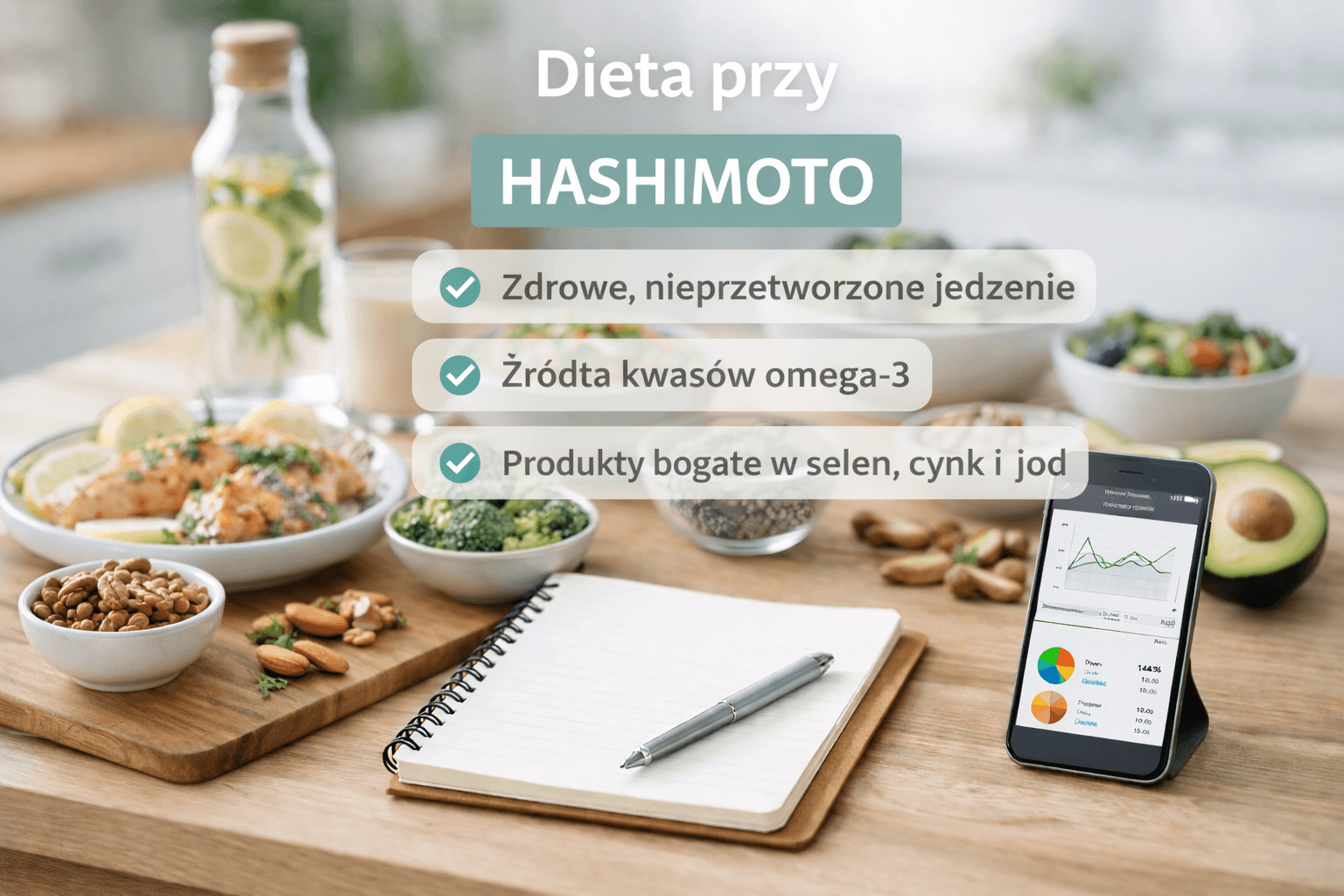
Hashimoto's disease, or chronic autoimmune thyroiditis, is one of the most commonly diagnosed endocrine diseases. In this condition, the immune system attacks thyroid cells, which can lead to hypothyroidism. Many people after diagnosis wonder what a Hashimoto's diet should look like and whether proper nutrition can improve well-being.
While diet cannot cure Hashimoto's disease, it can significantly support body function, reduce inflammation, and improve overall health. Properly selected foods also help stabilize energy levels, support metabolism, and maintain a healthy body weight.
In this article, you'll learn what to eat with Hashimoto's and what to avoid, which nutrients are particularly important, and what dietary mistakes many people with this condition make.
What is Hashimoto's disease?
Hashimoto's disease is a chronic autoimmune disease in which the immune system attacks the thyroid gland.
This process can result in:
damage to thyroid cells
reduced thyroid hormone production
development of hypothyroidism
The most common symptoms of Hashimoto's include:
chronic fatigue
weight gain
difficulty concentrating
hair loss
feeling cold
dry skin
A proper diet can help reduce the severity of some symptoms.
Why is diet important for Hashimoto's?
A Hashimoto's diet should support the body in several key areas.
Its main goals are:
reducing inflammation
supporting thyroid function
stabilizing energy levels
maintaining a healthy weight
improving overall well-being
It's important to remember that the diet should be tailored to the individual, as each person may react differently to different foods.
Hashimoto's Diet – Basic Principles
The foundation of a Hashimoto's diet is choosing foods with high nutritional value.
The most important rules are:
eating regular meals
increasing the amount of vegetables in your diet
choosing the least processed foods possible
adequate protein
healthy fats in your daily diet
It's also important to ensure an adequate intake of vitamins and minerals.
Products recommended for Hashimoto's disease
In a Hashimoto's diet, it's worth choosing foods that support the body and provide important nutrients.
Vegetables and Fruits
Vegetables should be the foundation of your diet.
The best choices are:
broccoli
carrots
bell peppers
zucchini
tomatoes
berries
apples
They provide antioxidants that help reduce inflammation.
Protein Products
Protein is important for body regeneration and maintaining muscle mass.
Good sources of protein include:
eggs
fish
lean meat
plain yogurt
tofu
legumes
Whole grain products
Whole grain products provide fiber and help maintain stable energy levels.
Recommended choices include:
buckwheat
brown rice
oatmeal
whole grain bread
Healthy fats
Healthy fats support hormonal balance.
The best sources are:
olive oil
nuts
seeds
avocados
oily fish
What foods should be avoided?
Some foods can increase inflammation or worsen well-being.
It's worth limiting:
highly processed foods
excess sugar
sweetened beverages
fast food
foods high in trans fats
This doesn't mean completely eliminating all of these foods, but limiting them.
Most Important Nutrients for the Thyroid
Adequate intake of certain nutrients is particularly important for Hashimoto's disease.
Selenium
Selenium supports thyroid function and helps protect cells from oxidative stress.
Sources of Selenium:
Brazil nuts
fish
eggs
Iodine
Iodine is essential for the production of thyroid hormones.
Sources include:
sea fish
seafood
iodized salt
However, excess iodine can be harmful, so it's best to consume it in moderation.
Vitamin D
Vitamin D supports the immune system.
It can be found in:
oily fish
eggs
fortified products
In many cases, supplementation is necessary.
How to Plan Meals for Hashimoto's
A good meal should include:
a source of protein
complex carbohydrates
healthy fats
vegetables
Sample meal:
baked salmon
buckwheat
vegetable salad
olive oil
This combination provides the body with many valuable nutrients.
Common Mistakes
People with Hashimoto's often make dietary mistakes.
The most common are:
following very restrictive diets
eliminating many foods unnecessarily
too few calories
lack of variety in the diet
over-focusing on single ingredients
The best solution is a balanced diet tailored to individual needs.
Summary
A Hashimoto's diet should be based on natural and minimally processed foods.
The most important rules are:
Large amounts of fruits and vegetables
Adequate protein intake
Healthy fats
Whole grains
Limit dietary fiber
Frequently asked questions
Czy przy Hashimoto trzeba eliminować gluten?
Nie zawsze. Eliminacja glutenu jest konieczna tylko w przypadku celiakii lub nadwrażliwości.
Czy można schudnąć przy Hashimoto?
Tak, choć proces redukcji masy ciała może być trudniejszy.
Czy dieta może wyleczyć Hashimoto?
Nie. Dieta może jednak wspierać leczenie i poprawiać samopoczucie.
Czy osoby z Hashimoto powinny jeść mniej węglowodanów?
Nie ma jednej uniwersalnej zasady – dieta powinna być dopasowana indywidualnie.
Czy aktywność fizyczna jest ważna przy Hashimoto?
Tak. Regularny ruch wspiera metabolizm i ogólne zdrowie.
Zespół e-dietetyk.com
We are a team of dietitians and AI specialists. We create personalised nutrition plans based on science and modern technology.
More about the author →Want a diet tailored to your lifestyle?
Fill out a short assessment and receive your personalised meal plan today.