
Diet for insulin resistance – what to eat?
Find out what to eat if you have insulin resistance. Learn about the diet, recommended and prohibited foods, and how to stabilize your blood sugar levels.
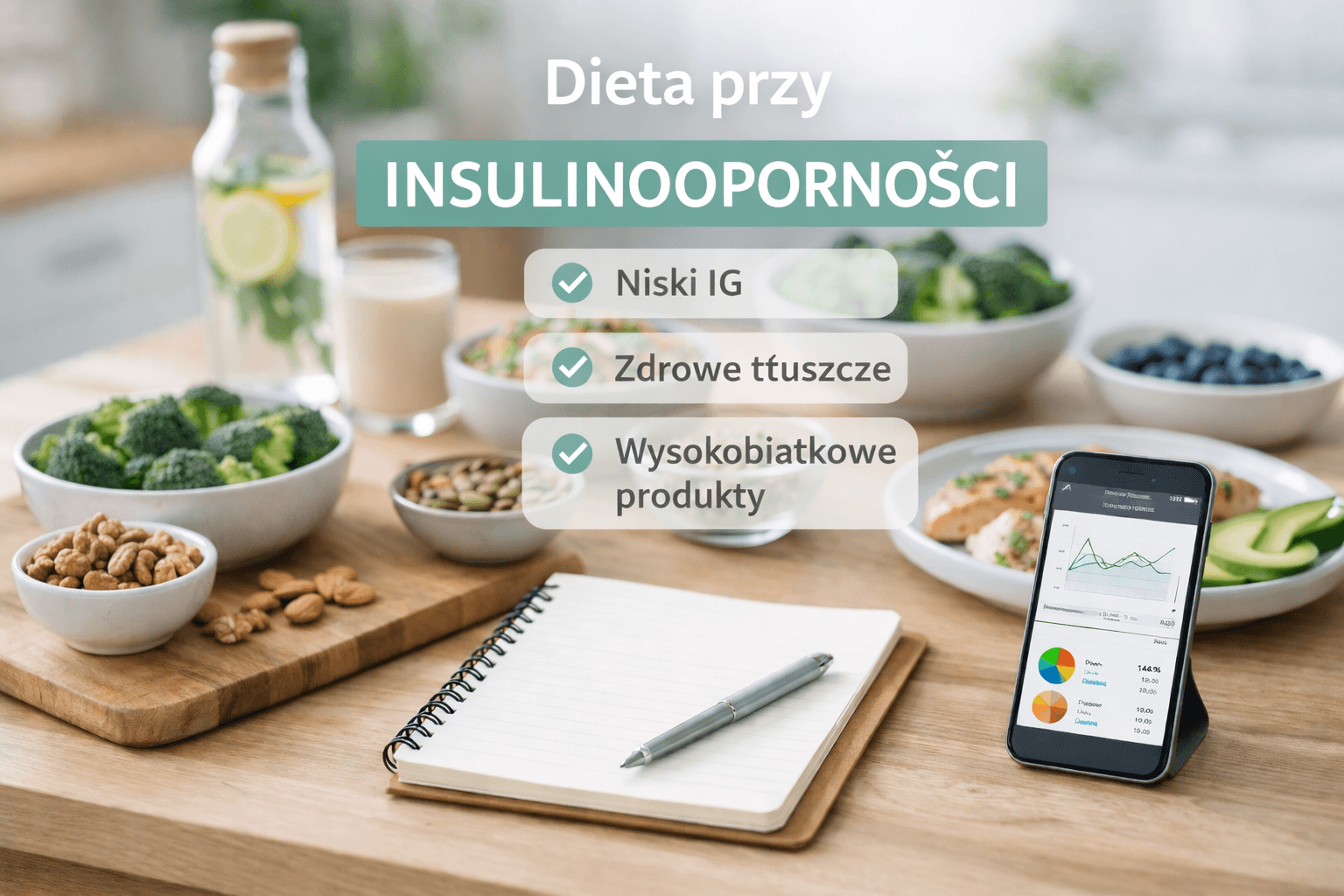
Insulin resistance is a metabolic disorder that has been diagnosed with increasing frequency in recent years. It involves a reduced sensitivity of the body's cells to insulin, a hormone responsible for regulating blood glucose levels. One of the most important elements of treatment for insulin resistance is a carefully selected diet.
After receiving a diagnosis, many people wonder what to eat with insulin resistance to improve test results and reduce the disease's symptoms. A well-balanced diet can significantly improve carbohydrate metabolism, reduce blood sugar fluctuations, and support weight loss.
In this article, you will learn what a diet for insulin resistance should look like, which foods to choose, and what mistakes to avoid.
What is insulin resistance?
Insulin resistance is a condition in which the body's cells become less responsive to insulin.
As a result:
the body produces more insulin
blood glucose levels become less stable
the risk of developing type 2 diabetes increases
The most common symptoms of insulin resistance include:
difficulty losing weight
sleepiness after meals
hunger pangs
fatigue
increased cravings for sweets
A proper diet can significantly improve insulin sensitivity.
Why is diet so important?
Diet is one of the most important elements of treating insulin resistance.
Its main goals are:
stabilizing blood glucose levels
reducing insulin secretions
improving metabolism
supporting weight loss
In many cases, changing your diet can significantly improve test results.
Diet for Insulin Resistance – Basic Principles
The basis of a diet for insulin resistance is maintaining stable blood glucose levels.
The most important rules are:
Eating regular meals
Choosing foods with a low glycemic index
Increasing fiber in your diet
Adequate protein
Limit simple sugars
Avoiding large fluctuations in blood sugar levels is also important.
Products Recommended for Insulin Resistance
In a diet for insulin resistance, it's worth choosing foods with high nutritional value and a low glycemic index.
Vegetables
Vegetables should constitute a large part of your daily diet.
The best choices are:
broccoli
zucchini
bell peppers
spinach
tomatoes
lettuce
Vegetables are rich in fiber, which helps stabilize blood sugar levels.
Whole grains
Whole grains contain more fiber than their refined counterparts.
It's worth choosing:
buckwheat
brown rice
oatmeal
whole grain bread
They help maintain stable blood glucose levels.
Protein Sources
Protein slows the absorption of carbohydrates and increases the feeling of fullness.
Good sources of protein include:
eggs
fish
lean meat
tofu
legumes
plain yogurt
Healthy fats
Healthy fats help stabilize blood sugar levels.
The best sources are:
olive oil
nuts
seeds
avocados
oily fish
Foods to Limit
Some foods can cause rapid increases in blood glucose levels.
It's worth limiting:
sweets
sweetened beverages
white bread
sweet breakfast cereals
highly processed foods
This doesn't mean completely eliminating these foods, but limiting them.
The Importance of the Glycemic Index
The glycemic index (GI) measures how quickly a food raises blood glucose levels.
Foods with:
a low GI cause a slower rise in blood glucose
a high GI cause a rapid rise in blood sugar
In a diet for people with insulin resistance, it's best to choose foods with a low and medium glycemic index.
How to plan meals
A good meal for people with insulin resistance should include:
a source of protein
complex carbohydrates
healthy fats
vegetables
Sample meal:
buckwheat
grilled chicken
vegetable salad
olive oil
This combination helps maintain stable blood glucose levels.
Common Mistakes
Many people make mistakes when dieting for people with insulin resistance.
The most common are:
eliminating all carbohydrates
too few calories
irregular meals
lack of protein in the diet
excessive consumption of "healthy" foods
The diet should be balanced and tailored to the body's needs.
Summary
A diet for insulin resistance should be based on foods with high nutritional value and a low glycemic index.
The most important principles are:
regular meals
large amounts of vegetables
choosing whole grains
adequate protein
limiting sugar and highly processed foods
A properly selected diet can significantly improve insulin sensitivity and well-being.
Frequently asked questions
Czy przy insulinooporności trzeba całkowicie zrezygnować z węglowodanów?
Nie. Ważne jest wybieranie węglowodanów złożonych o niskim indeksie glikemicznym.
Ile posiłków dziennie jeść przy insulinooporności?
Najczęściej zaleca się 3–5 regularnych posiłków dziennie.
Czy można jeść owoce przy insulinooporności?
Tak, ale najlepiej wybierać owoce o niższym indeksie glikemicznym i spożywać je w umiarkowanych ilościach.
Czy dieta przy insulinooporności pomaga schudnąć?
Tak. Stabilizacja poziomu glukozy może ułatwiać redukcję masy ciała.
Czy aktywność fizyczna jest ważna przy insulinooporności?
Tak. Regularny ruch poprawia wrażliwość organizmu na insulinę.
Zespół e-dietetyk.com
We are a team of dietitians and AI specialists. We create personalised nutrition plans based on science and modern technology.
More about the author →Want a diet tailored to your lifestyle?
Fill out a short assessment and receive your personalised meal plan today.